

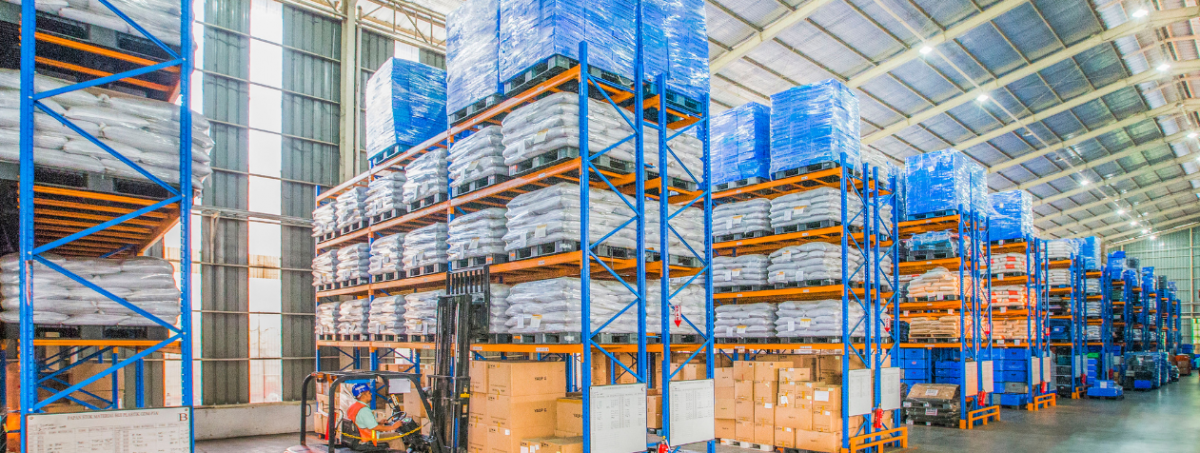
Ireland's logistics and transport operators face rising labour costs, constrained warehouse space, and throughput requirements from e-commerce and pharmaceutical supply chains. The Colliers Q1 2026 Ireland Industrial and Logistics Market Report, published in May 2026, confirms vacancy approaching 4 per cent and prime rents at €14.50 per square foot. Warehouse automation is no longer a decision for large multinationals alone. It is a strategic investment question Irish logistics operators of all sizes must engage with.
The commercial case for automation is grounded in operational evidence. Logistics Viewpoints analysis published in January 2026 confirmed autonomous mobile robots reduced travel time in labour-constrained environments, with orchestration being the differentiating factor. Organisations that treated integration mapping as mission-critical outperformed those that deployed automation without workflow engineering. Three developments define the commercial opportunity: the maturity of autonomous mobile robot technology, robotics-as-a-service financing, and Ireland's domestic robotics capability.
Autonomous mobile robots have moved from pilot to operationally proven technology. The MHI 2025 Annual Industry Report confirmed that 48 per cent of organisations were using robots in their facilities, with labour recruitment cited as the top challenge by 60 per cent of warehouse operators. The global warehouse robotics market is valued at $6.51 billion in 2025 and projected to reach $25.41 billion by 2034, confirming capital flows at a pace reflecting commercial confidence.
Robotics-as-a-service models are reducing the capital barrier to automation for Irish logistics operators. Subscription-based financing allows operators to access autonomous mobile robots and goods-to-person systems without the upfront investment that previously confined automation to the largest organisations. The MHI report confirms robotics-as-a-service platforms gaining traction among mid-sized companies, with ABI Research projecting 1.3 million installations by 2026. For Irish operators facing rising labour and space costs, this financing model changes the investment calculation.
Ireland's domestic robotics ecosystem means Irish logistics operators are not starting from zero. IDA Ireland's October 2025 review confirms that Eiratech Robotics, the Dublin-based goods-to-person automation provider, and Moffett Automation, winner of the EY Entrepreneur of the Year in 2023, are deploying systems in Ireland. ABB operates an R&D centre in Dundalk. Irish operators can engage with domestic providers who understand local building standards and operational contexts.
Three actions merit prioritisation. Operators should commission a warehouse automation readiness assessment, mapping labour costs, throughput bottlenecks, and space utilisation against the unit economics of autonomous mobile robot deployment. Organisations should evaluate goods-to-person systems against their SKU profiles and order volumes, distinguishing between investments that generate measurable returns and those adding complexity. Boards should engage with the IDA Ireland robotics network to assess what is deployable within existing facilities rather than deferring until new premises become available.
Warehouse automation is entering the phase where it generates measurable returns for operators who approach it with commercial rigour. The tightening of Ireland's industrial and logistics property market, combined with sustained labour scarcity and rising throughput demands, has compressed the timeline for automation decisions. The operators who treat this as a commercial investment question rather than a technology question will capture the gains automation is delivering.
(The views expressed by the writer are his/her own and do not necessarily reflect the views or positions of BusinessRiver.)







.png)

